EDITORIAL BUYING GUIDE · OCTOBER 2026
No invented ratings. No hands-on testing claims. A practical look at the product presentation and the questions that deserve answers.
What is ZapShield?
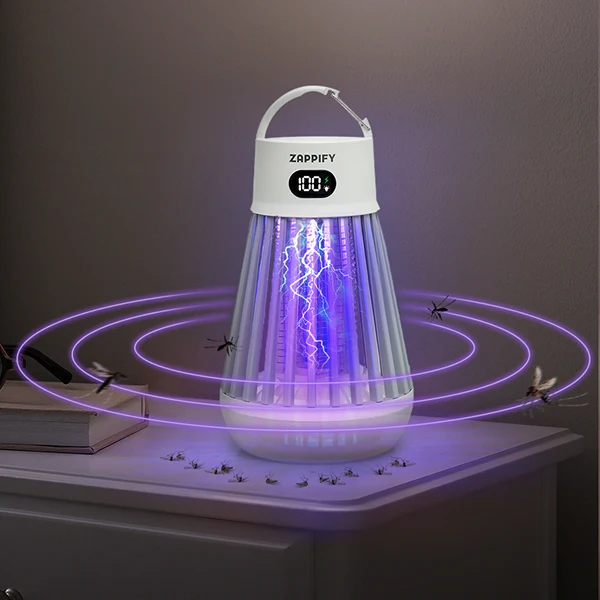
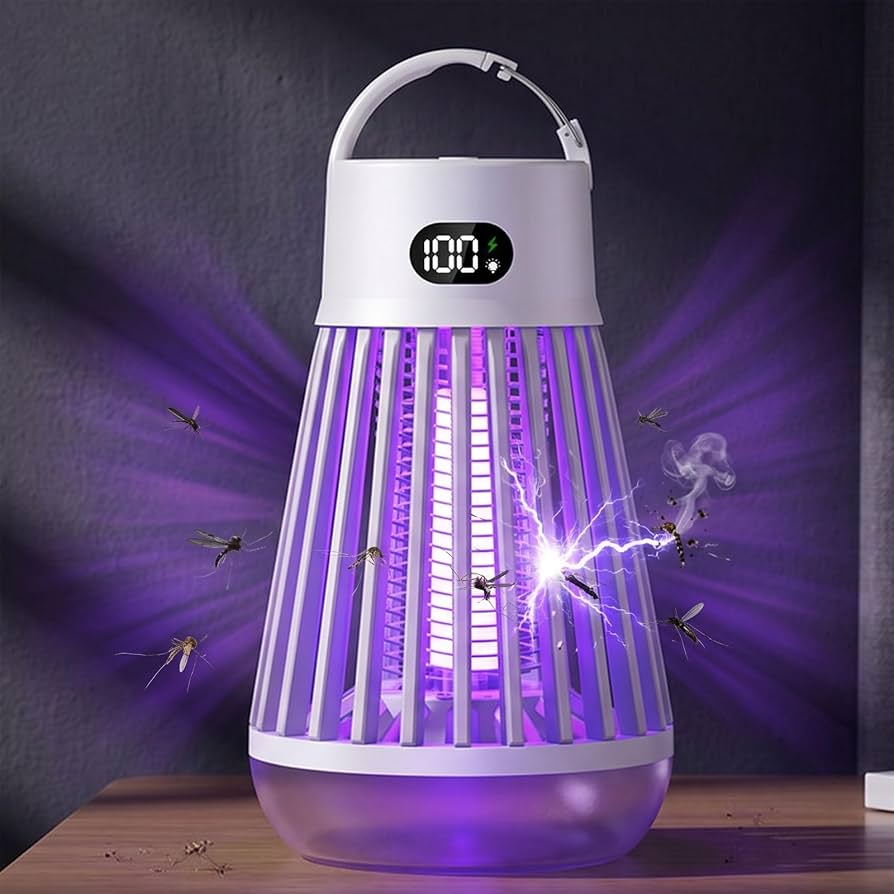
ZapShield is presented as a portable electric insect zapper for people who want a compact alternative to a large plug-in unit. The product imagery shows a lantern-shaped device, a protective outer cage, an illuminated central grid, and a carry handle. The appeal is straightforward: move a small light-based trap between the spaces where you spend time, rather than permanently installing a bulky appliance.
This ZapShield review looks at that proposition from a practical buyer’s perspective. It considers the visible design, the limitations of light-based insect control, placement, maintenance, and the questions worth asking before ordering. It is a research-based buying guide, not a laboratory test or a collection of verified customer experiences. We have not independently measured insect capture, battery life, electrical output, or outdoor durability.
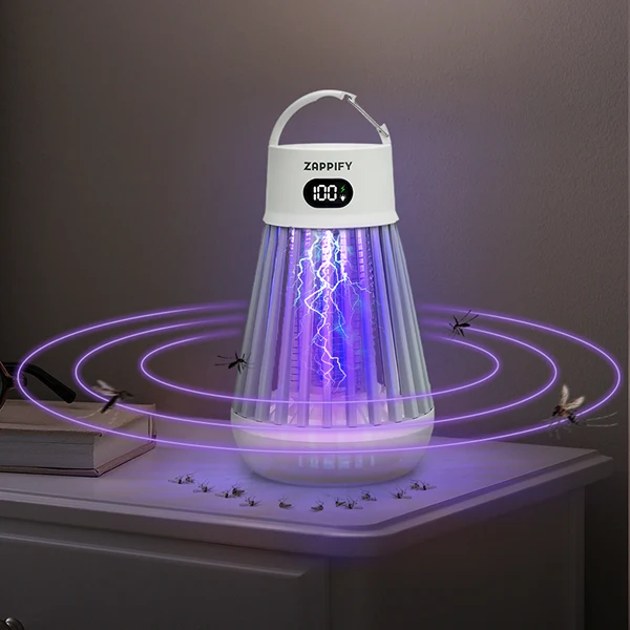
There is also an important identity detail. One supplied photograph visibly carries the Zappify name, while another shows a different handle design. Those pictures illustrate the supplied product presentation, but they do not establish that every pictured variant is the same model. Confirm the product name, included accessories, charging connection, and exact specifications on the seller’s current listing before relying on a photograph.
How does a light-based bug zapper work?
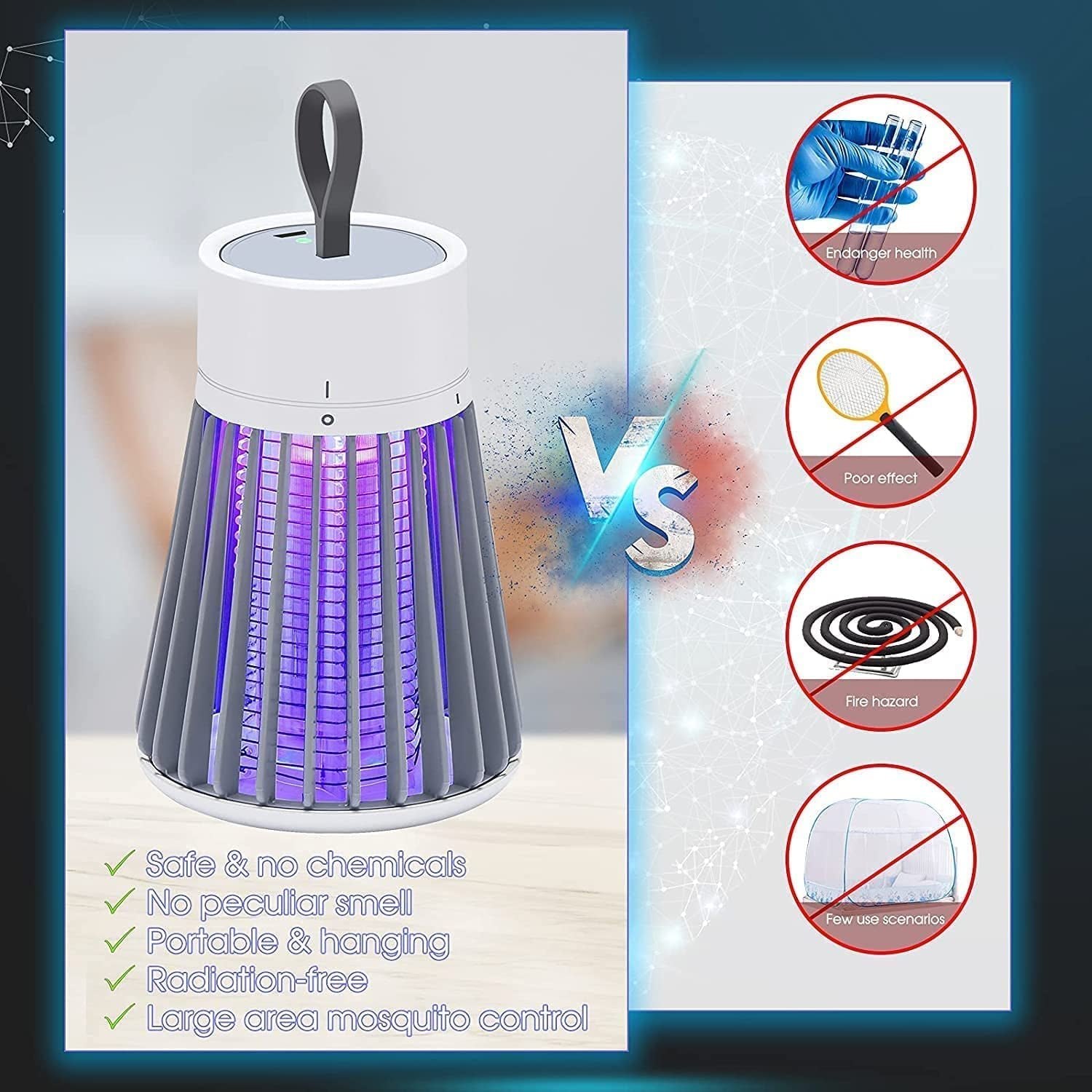
A conventional bug zapper combines an insect-attracting light with an energized internal grid. When a susceptible flying insect approaches the light and contacts that grid, the electrical discharge kills it. An outer housing helps separate the active parts from accidental contact. The violet glow in the supplied images represents this familiar light-and-grid arrangement; the dramatic rings and sparks are advertising effects, not a measured protection boundary.
The distinction between attracting insects and preventing mosquito bites matters. Many flying insects respond to light, but mosquitoes also locate people using cues such as exhaled carbon dioxide, body heat, and scent. A lamp attracting some insects therefore does not demonstrate that it prevents bites or meaningfully reduces the local mosquito population. Results can vary by species, location, competing light, and nearby people.
For that reason, treat ZapShield as a possible supplementary insect-management tool, not as an invisible shield. Window screens, closing doors, removing standing water, and appropriate repellents remain relevant. If disease-carrying mosquitoes are a concern, follow public-health advice rather than replacing established precautions with a glowing device. A visibly active grid is evidence that the unit is running, not proof of comprehensive protection.
Portable by design. Practical in the details.
The strongest visible feature is the compact lantern format. A handle can make a device easier to carry and, when the instructions allow it, suspend from an appropriate support. The tapered cage gives the light an open surrounding area while keeping the energized interior recessed. A display appears on several supplied images, although a photograph alone cannot confirm what each symbol measures or how accurately it reports remaining charge.
Portability is useful only when the everyday details work for your space. Check the dimensions against a bedside table or patio shelf, look for a stable base, and establish whether the handle is intended for hanging during operation. Keep the unit away from edges where a cable, child, or pet could pull it down. Do not assume a hanging loop makes every improvised mounting point suitable.
A rechargeable format can reduce dependence on a nearby wall outlet, but the exact battery capacity, charging time, cable type, and permitted operating modes need confirmation for the supplied version. We deliberately do not assign an unverified runtime or coverage figure here. Ask for a readable manual and a complete specification sheet if those details are central to your decision.
From a quiet bedroom to an evening outside.
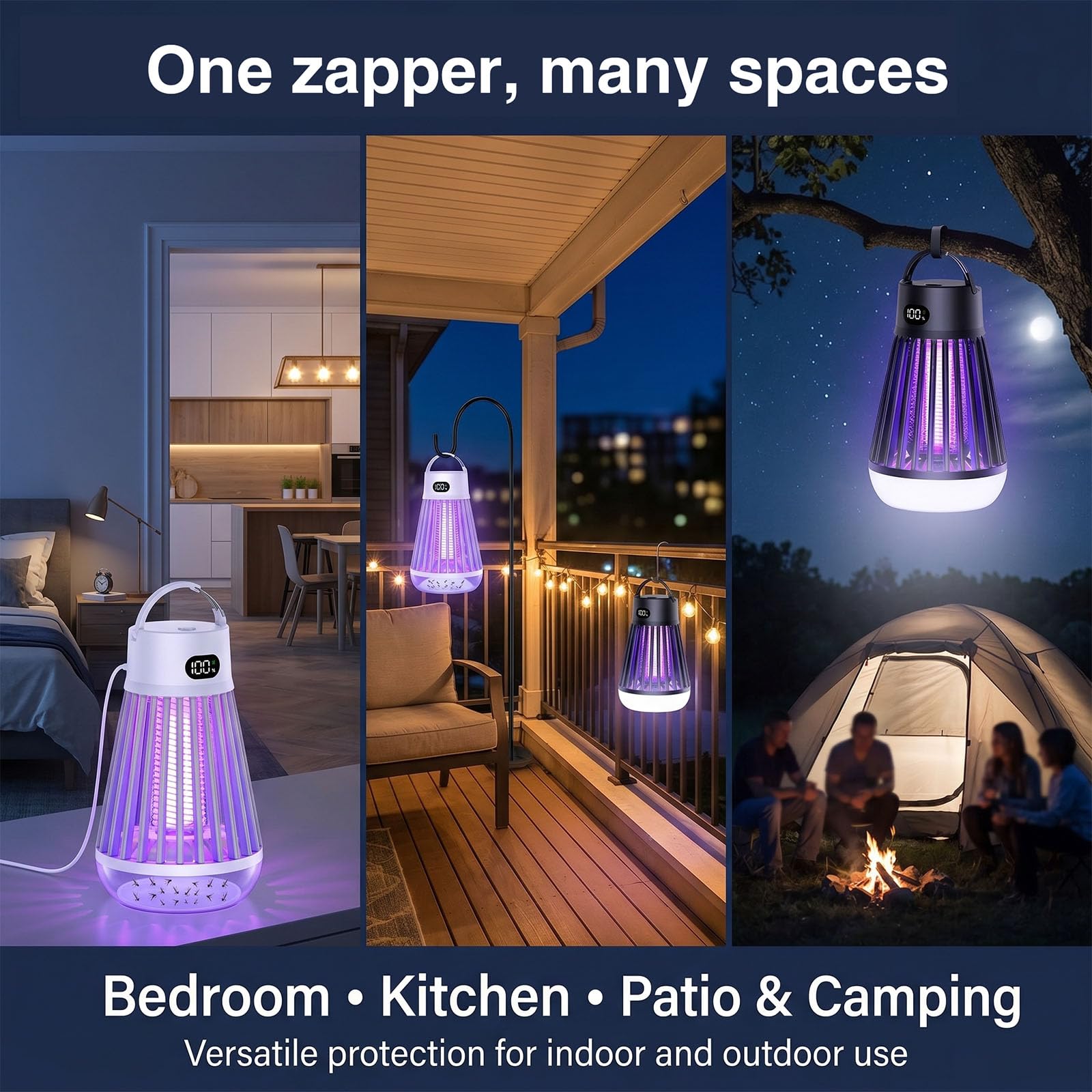
The supplied lifestyle image presents bedrooms, kitchens, patios, and campsites. These are useful examples of intended settings, not evidence that every environment produces equivalent results. In a bedroom, consider whether visible violet light or an occasional electrical snap would disturb sleep. Position any electrical insect trap according to its manual, away from bedding, curtains, water, and places where hands might reach the grid.
On a patio, the practical challenge is the open environment. Insects can continually arrive from surrounding vegetation, and other lights may compete with the trap. Avoid placing it beside exposed food or directly between guests. A unit that catches insects is not necessarily the best centerpiece for a dining table. Also consider neighbors, beneficial insects, and whether running an outdoor light trap is necessary at all.
Camping introduces additional questions: charging access, secure suspension, overnight moisture, and transporting the device after use. A promotional camping scene does not establish weather resistance. Unless the actual manual explicitly permits exposure, keep electrical equipment sheltered from rain and wet ground. At home or outside, choose a position that is stable, accessible for cleaning, and safely separated from people and animals.
Where the idea makes sense.
For someone who dislikes the smell of spray products, the attraction of a light-based device is understandable. The pictured zapper does not require spraying a room as part of its visible operating principle. That can make it appealing as one element of a broader household routine. However, avoiding a chemical spray does not make an energized electrical appliance risk-free, and it does not prove equivalent mosquito-control performance.
A small movable unit can also be more convenient than a permanently installed fixture. You may prefer an appliance that can be stored between seasons and positioned only when needed. The carry handle, visible light, and self-contained shape are easy to understand. Whether that convenience outweighs charging and cleaning depends on your habits, available storage, and tolerance for another device to maintain.
The most reasonable benefit is therefore flexibility rather than a promised transformation. A compact trap may suit a sheltered spot where certain flying insects are bothersome, provided its manual permits the setting. Buyers seeking guaranteed bite prevention, verified room-wide coverage, or an independently proven improvement should look for actual test evidence. Attractive design and reassuring marketing should never substitute for those results.
What ZapShield cannot promise.
No honest review can promise a bite-free summer from the supplied photographs. Capture rates, species attracted, and reductions in nuisance insects would require controlled measurements. We have not seen product-specific independent evidence sufficient to quantify those outcomes. Phrases such as complete protection, instant results, or powerful coverage deserve scrutiny unless the seller explains the testing conditions and provides evidence for the exact model being sold.
Light traps can also capture insects that were not causing a problem. This is particularly relevant outdoors, where moths and other non-target insects may be drawn to artificial light. A collection tray full of insects does not reveal how many were mosquitoes or whether people received fewer bites. If mosquito control is the goal, distinguish a general flying-insect trap from a system validated for that specific purpose.
Other unknowns include long-term battery performance, replacement-part availability, operating noise, and the robustness of switches and charging ports. These are ownership issues that promotional imagery cannot settle. Look for detailed, model-specific owner reports describing use over time rather than short endorsements. Do not interpret an absence of published complaints as proof that the product has no limitations.
ZapShield versus other insect-control options.
Different tools solve different problems. Screens physically restrict entry, fans can make a seating area less comfortable for some flying insects, and removing standing water addresses potential breeding sites. Approved repellents work differently again. A UV-style zapper should not be evaluated as if every alternative were interchangeable. Start by identifying whether your problem is indoor entry, outdoor nuisance insects, or personal protection from mosquito bites.
The supplied comparison graphic contrasts a lamp with sprays, rackets, coils, and nets. Its labels are promotional statements, not findings established by this review. For example, broad claims that all alternatives are dangerous or ineffective oversimplify products with different instructions, purposes, and evidence. Likewise, a “radiation-free” label is not a useful literal description of a device that emits light, because light is electromagnetic radiation.
The practical comparison is about suitability. A passive screen may be better for an open window, while an appropriate repellent may be more relevant to a person outdoors. A portable zapper may appeal when you want a supplementary device without applying a spray. Choose based on your setting and reliable guidance, not on a graphic suggesting one device replaces every other precaution.
A thoughtful setup starts with the manual.
Begin by checking the package contents and identifying the exact model. Inspect the housing, grid enclosure, charging port, and supplied cable for visible damage. Read the manufacturer’s charging and positioning instructions before first use. If the manual is missing, request it from the seller rather than guessing from a product picture. Do not operate a unit with a cracked cage, exposed wiring, or a damaged power connection.
Charge only with equipment that meets the manufacturer’s stated requirements. Keep the charging area dry and avoid covering the device. Do not assume it can operate while charging unless that mode is explicitly permitted. Once ready, choose a stable position away from food preparation, children’s play areas, and contact with fabrics. Use only the hanging method and clearances specified for your particular version.
Evaluate the device over several comparable sessions without treating every change in insect activity as proof of effectiveness. Weather, open doors, lighting, and the number of people nearby can all influence observations. Note whether the light or noise is bothersome and whether maintenance is manageable. If performance disappoints, document the circumstances and check the seller’s return process while the relevant window is still open.
Cleaning, charging, and sensible safety.
An insect trap needs regular attention to remain usable. Follow the manual’s shutdown procedure before cleaning, disconnect external power, and allow any required discharge time. Never touch the internal grid or insert metal tools through the cage. If the device includes a removable collection area, empty it only as directed. Do not assume that a part visible in a photograph is designed to detach.
Use the cleaning method specified for the model. A brush may be appropriate for some products, but rinsing, immersing, or spraying an electrical unit can damage it unless the manufacturer explicitly permits that procedure. Moisture resistance during use and permission to wash a device are separate questions. Even a stated water-resistance rating should be read alongside the manual’s restrictions on ports, charging, and cleaning.
Store the unit clean and dry, protected from accidental activation and inaccessible to young children. Follow the battery storage guidance when putting it away for a season. If you notice unusual heat, swelling, a damaged cable, or a persistent burning smell, stop using it and seek the manufacturer’s advice. Chemical-free operation does not remove the ordinary precautions associated with batteries and high-voltage grids.
What to check before ordering ZapShield.
Confirm that the checkout identifies the same product you intended to buy. Because the supplied images show more than one visual presentation, compare the model name, appearance, accessories, and manual rather than relying on a familiar-looking thumbnail. Ask the seller to clarify conflicting specifications in writing. Details such as charging connection, supported operating modes, and weather limitations can materially affect whether the device suits your plans.
Read the current delivery information, return conditions, warranty coverage, and seller contact details before placing an order. Check whether returns require authorization, who covers return shipping, and whether any exclusions apply to opened or used units. These conditions can change, so we do not reproduce a guarantee or delivery promise that we cannot verify for your actual checkout and destination.
Review the final order carefully for optional extras, recurring charges, quantity changes, and consent boxes. Keep a copy of the listing, confirmation, and relevant terms. Every order button on this page takes you to bug-zapper.site, an external seller destination; this review page does not process payments, fulfill orders, or provide the seller’s customer service. Confirm the destination and its current terms before sharing payment information.
Our verdict: convenience, with caveats.
ZapShield is most interesting as a compact convenience product, not a substitute for established mosquito precautions. The supplied presentation emphasizes a movable lantern shape, visible illumination, and use across several familiar spaces. Those design qualities are easy to appreciate. The harder question is effectiveness, and a responsible answer requires evidence about the specific insects, conditions, and model rather than the intensity of the purple glow.
Our overall view is conditional: consider it if you want a supplementary light-based trap and are comfortable checking the exact specifications before buying. Be more cautious if your primary requirement is reliable protection from bites, quiet darkness during sleep, or unattended outdoor operation. These needs deserve direct confirmation. Nothing in this guide establishes a guaranteed protection radius, a measured capture rate, or a verified battery endurance result.
Before buying, establish whether you can charge, position, and clean the device safely. Confirm the model and return conditions. Convenience in an advertisement is not necessarily convenience in your home.
When comparing ZapShield reviews, prioritize transparent testing methods over enthusiasm. Question unexplained ratings, repeated testimonials, and universal safety claims. We have avoided invented customer quotations, star scores, and hands-on claims.
The bottom line is simple: the portable format may be useful, but mosquito-control expectations should remain realistic. Read the current seller information, compare it with the supplied imagery, and combine any device with sensible household measures. If you proceed, keep records of the model and terms you agreed to. That approach puts a practical buying decision ahead of the dramatic effects used to advertise a bug zapper.
Order ZapShield